Common Types of Tarmac Damage Whitstable
When properly installed, tarmac and asphalt surfaces can deliver decades of reliable performance; however, minor defects such as inadequate edging in critical areas, diesel spillage, or poor compaction can result in surface irregularities, depressions, and deterioration of your driveway in Whitstable.
Prior to commencing any repair work in Whitstable, our tarmac contractors examine the underlying cause of the damage. The most frequently encountered problems include:
- Surface cracking resulting from weather exposure or ground settlement
- Potholes developing from water penetration and freeze-thaw action
- Edge breakdown where the tarmac borders grass or gravel surfaces
- Sunken sections caused by inadequate sub-base preparation or excessive loading
- Surface ravelling where the bitumen binding agent has broken down
How We Repair The Tarmac / Asphalt
Initial Assessment
Our process begins with a thorough inspection of the damaged area to establish whether a localised patch repair is adequate or if resurfacing a larger section is necessary. Isolated defects can typically be patched effectively, while extensive cracking or numerous potholes generally suggest that complete resurfacing represents the most cost-effective long-term approach.
Preparation Work
Thorough preparation is crucial for achieving a durable repair. We use a disc cutter to remove the damaged section, creating clean, vertical edges. This ensures the repair material integrates properly rather than merely overlaying compromised tarmac. For potholes, we extract all loose material and inspect the underlying sub-base. When the sub-base has deteriorated, we excavate deeper and compact fresh aggregate material before applying any tarmac.
Applying the Repair Material
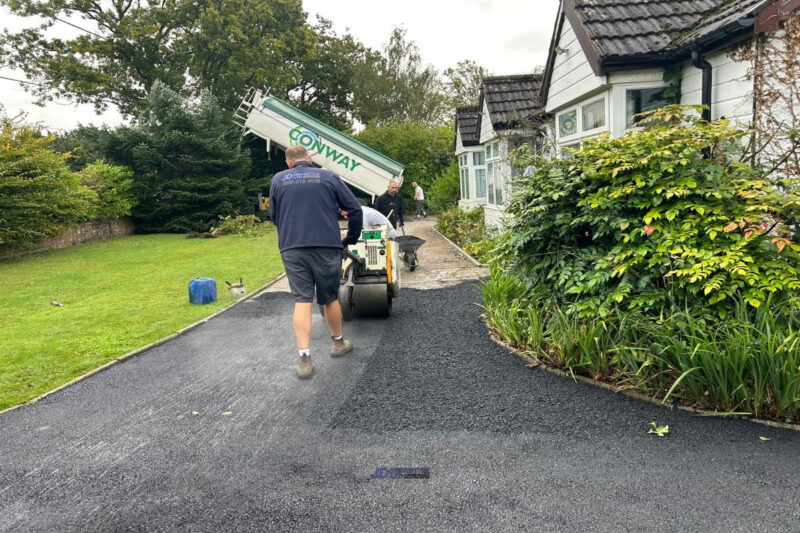
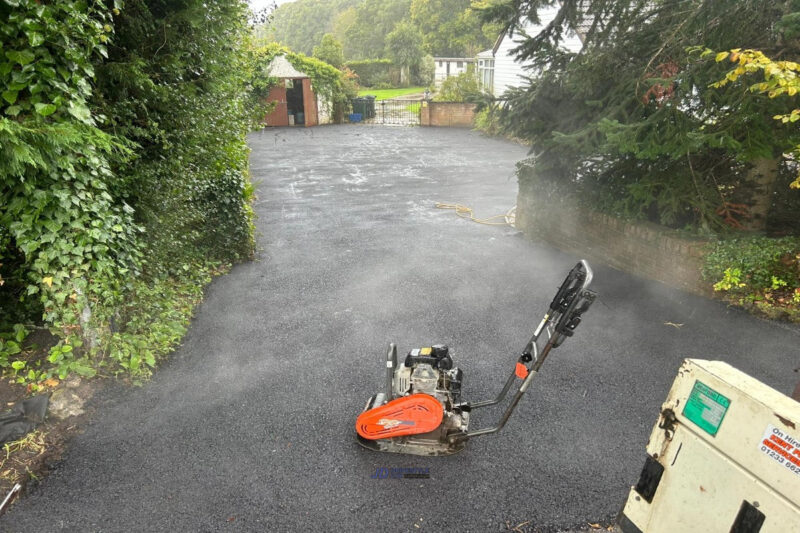
For most repairs, we utilise hot bitumen tarmac due to its superior bonding properties compared to cold-lay alternatives. The repair area receives a tack coat of bitumen emulsion to promote adhesion between the new material and the existing surface. We then apply the tarmac in successive layers, ensuring thorough compaction of each layer using a vibrating plate or roller, depending on the repair size.
Finishing and Compaction
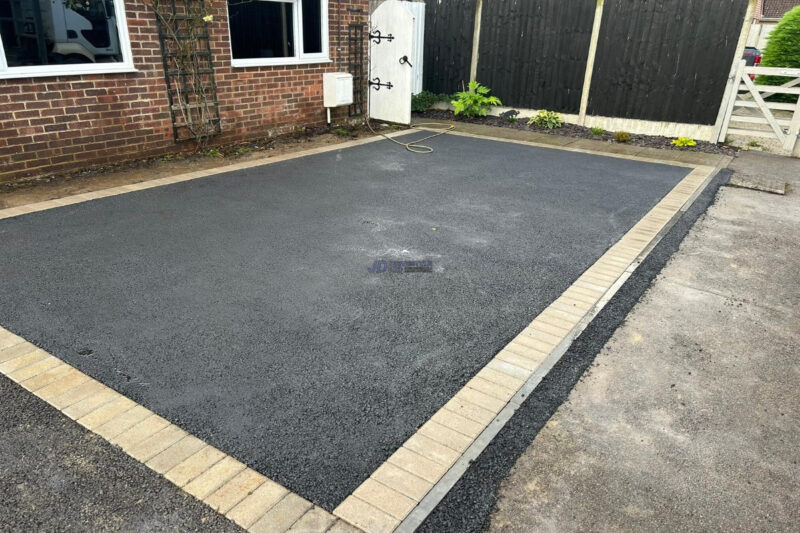
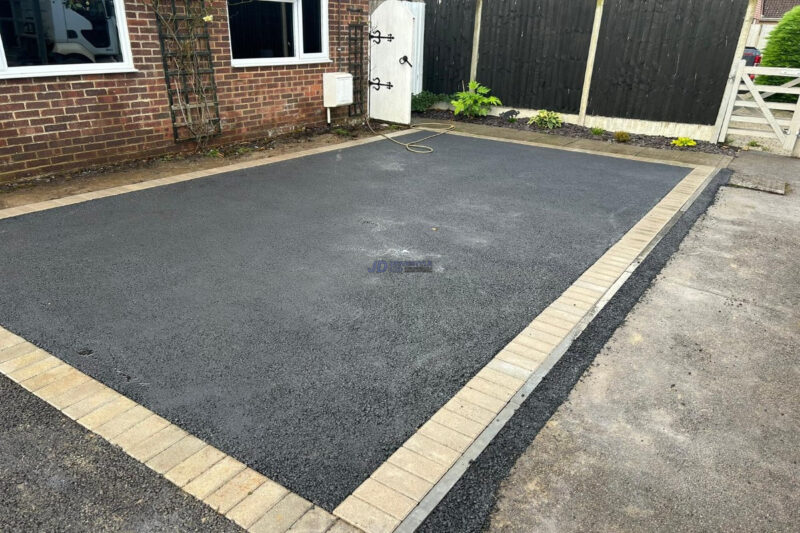
The final surface undergoes rolling to align with the level and texture of the surrounding area. We intentionally overfill the repair slightly, accounting for material settlement during the compaction process. The edges receive particular attention—adequate compaction in these areas is essential to prevent future edge failure.
When to Consider Full Resurfacing
When your tarmac exhibits multiple damaged areas or the surface has aged beyond 15-20 years, repairing individual sections may prove uneconomical. At Driveways Whitstable, we provide transparent guidance on whether repairs offer genuine value or if resurfacing the complete area represents the better investment.
For professional advice on tarmac repairs in Whitstable, contact us at 01227 915186.